Why Do I Have Numbness in My Legs?
Numbness in your legs can be a temporary inconvenience from sitting too long or a sign of a more serious condition like multiple sclerosis. Understanding the causes can help you determine when to seek medical advice.
Source: Verywell Health
Clinical Application of Mesenchymal Stem Cells in Orthopaedics and Traumatology in Daily Practice
Mesenchymal stem cells (MSCs) have been widely used in preclinical and clinical orthopaedic and traumatology studies (1). Compared to other cell therapies, MSCs have a variety of characteristics, such as a lower risk of teratoma than pluripotent stem cells, stemness potency, targeted therapy through chemo-attraction, ease of isolation, and rapid proliferation (2). However, the application from bench to bedside requires a standardized procedure for its administration (1).
Source: ScienceDirect
Revision Total Ankle Arthroplasty Using the INVISION Modular Implant System: A Systematic Review and Meta-Analysis
Globally, rising rates of ankle arthritis have largely driven increases in total ankle arthroplasty (TAA) and revision TAA (rTAA). INVISION (Wright Medical/Stryker) is a novel modular implant system designed for addressing rTAA-associated challenges; however, clinical outcomes remain limited. Therefore, the purpose of this systematic review is to synthesize the available INVISION rTAA literature to evaluate implant survivorship and complication rates.
Source: Foot & Ankle Orthopaedics
7 Types of Exercise That Help Improve Bone Density Naturally
Bone loss can begin in your 30s. However, your bones are living tissue that respond to weight-bearing exercises by getting stronger. Whether you enjoy lifting weights, hiking trails, or playing pickleball, the right combination of exercises can improve your bone density.
Source: Verywell Health
More treatments expand personalized ankle cartilage repair
Osteochondral lesions of the talus were historically treated with debridement with or without bone marrow stimulation techniques. There is a plethora of options today, allowing surgeons to personalize treatment.
Source: Healio
Healthcare News
Contact Dr. Walls
Schedule an Appointment to Receive Specialist Orthopaedic Care for Foot & Ankle

Manhatten Office
1171 Delancey Street, New York, NY 10002
Tell :
Book an Appointment →-
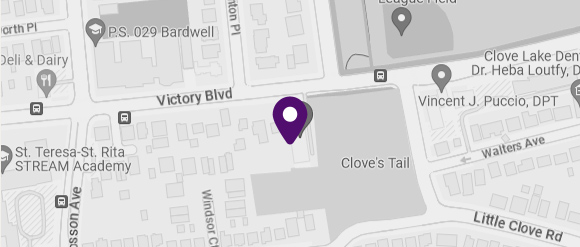
Staten Island Office
1534 Victory Boulevard, Staten Island, NY 10314
Tell :
Book an Appointment → -
Midtown East Office
645 Madison Avenue, 3rd Floor, New York, NY 10022
Tell :
Book an Appointment →