Biologics for bone regeneration: advances in cell, protein, gene, and mRNA therapies
Bone fractures represent a significant global healthcare burden. Although fractures typically heal on their own, some fail to regenerate properly, leading to nonunion, a condition that causes prolonged disability, morbidity, and mortality. Biologic therapies have emerged as promising tools to enhance bone regeneration by leveraging the body's natural healing processes. This review explores the critical role of conventional and emerging biologics in fracture healing.
Source: Nature
Platelet-Rich Plasma and Knee Osteoarthritis: A Critical Overview of the Multiple Biases and Methodological Complexity
Intra-articular injections of platelet-rich plasma (PRP) are increasingly utilized in the management of knee osteoarthritis (KOA) and various other medical specialties. However, the efficacy of PRP remains a contentious issue; some experts consider it to be a placebo, while others advocate for its therapeutic value. Evidence from controlled clinical trials and meta-analyses has often yielded contradictory results, frequently failing to demonstrate a clear clinical benefit despite favorable outcomes observed in real-world settings
Source: ScienceDirect
Cast immobilisation versus surgery for unstable lateral malleolus fractures (SUPER-FIN): randomised non-inferiority clinical trial
Objective To compare cast immobilisation with surgery using open reduction and internal plate fixation for unimalleolar Weber B ankle fractures with a congruent mortise on initial radiography but deemed unstable by external rotation stress testing.
Source: thebmj
Flips, Falls, and Fractures: The Reality of Cheerleading Injuries
Cheerleading is rising in popularity, with competitive cheer now being recognized as an Olympic sport, possibly leading to an Olympic debut in the near future. These athletes present with issues such as pressure for a quick return, concerns for decreased bone density, and injury patterns unique to these athletes.
Source: AOSSM
Ankle Pain When Walking: Causes and What You Can Do
Most ankle pain can be managed with rest, modifying activities, supportive footwear, over-the-counter pain medication, and other conservative measures. However, some causes may require further treatment.
Source: Verywell Health
Healthcare News
Contact Dr. Walls
Schedule an Appointment to Receive Specialist Orthopaedic Care for Foot & Ankle

Manhatten Office
1171 Delancey Street, New York, NY 10002
Tell :
Book an Appointment →-
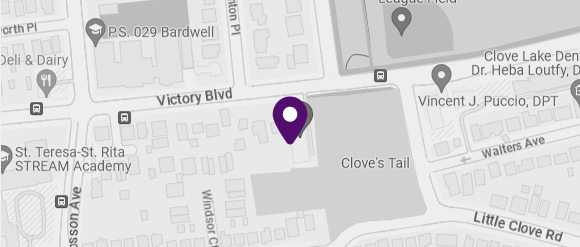
Staten Island Office
1534 Victory Boulevard, Staten Island, NY 10314
Tell :
Book an Appointment → -
Midtown East Office
645 Madison Avenue, 3rd Floor, New York, NY 10022
Tell :
Book an Appointment →