Application of Stem Cells in Degenerative Orthopedic Diseases
Degenerative orthopedic diseases, traditionally viewed as inevitable “wear-and-tear” processes, are now being reimagined as dynamic failures of tissue homeostasis orchestrated by a complex interplay of chronic inflammation and metabolic exhaustion.
Source: Frontiers
Medical Moment: Avoiding Sports Injuries
As a parent or guardian, it can be intimidating to know how to keep a young athlete healthy and active. A lot of kids are now playing the same sport year-round, including multiple sports teams in the same season.
Source: UPMC
New ACL surgery approach helps most patients return to activity
New research from orthopedic specialists at Marshall Health Network and the Marshall University Joan C. Edwards School of Medicine demonstrates promising outcomes for patients undergoing anterior cruciate ligament (ACL) reconstruction using an advanced technique that combines biologic augmentation with internal stabilization.
Source: Medical Xpress
Supported training improves injury prevention, new study shows
Serious knee injuries, including anterior cruciate ligament (ACL) ruptures in women's and girls' football, can be reduced through using injury prevention training, according to a new study by La Trobe University researchers.
Source: Medical Xpress
How Proper Ankle Wrapping Can Speed Up Recovery
Speed up your recovery from a sprained ankle by mastering the art of proper wrapping. This technique helps stabilize the joint and reduce swelling, promoting faster healing.
Source: Verywell Health
Healthcare News
Contact Dr. Walls
Schedule an Appointment to Receive Specialist Orthopaedic Care for Foot & Ankle

Manhatten Office
1171 Delancey Street, New York, NY 10002
Tell :
Book an Appointment →-
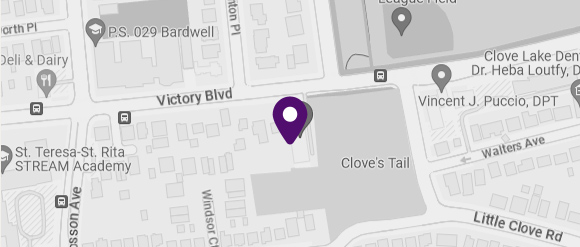
Staten Island Office
1534 Victory Boulevard, Staten Island, NY 10314
Tell :
Book an Appointment → -
Midtown East Office
645 Madison Avenue, 3rd Floor, New York, NY 10022
Tell :
Book an Appointment →