Physical Characteristics Associated With a History of Ankle Sprain in Elementary School Badminton Players
Ankle injuries are prevalent among elementary school students and are associated with subsequent injuries. This study aimed to investigate the relationship between a history of ankle sprain and the physical characteristics of elementary school badminton players.
Source: Cureus
Matrix-assisted autologous chondrocyte implantation may yield high return to sports rate
Results showed chondral defects of the knee treated with matrix-assisted autologous chondrocyte implantation may yield a high rate of patient satisfaction and return to sports in a community practice.
Source: Healio
Conservative management of Achilles tendinopathy
In Elisa Arch's Orthotics and Prosthetics for Enhanced Mobility Lab, students are exploring novel approaches to help those with Achilles tendinopathy (AT) return to daily activity more quickly.
Source: Medical Xpress
What Is Abductor Hallucis Pain and What Causes It?
The abductor hallucis muscle is located on the inner border of the foot. This muscle bends the big toe and moves it out to the side. More importantly, it supports the medial longitudinal arch, located on the inside border of the foot. The abductor hallucis is a common area for people to experience foot pain. However, it is often mistaken for other conditions, such as plantar fasciitis.
Source: Verywell Health
Achilles tendon repair may improve pain, function at 6 months
Patients who underwent Achilles tendon repair were pain free, had good functional outcomes and experienced meaningful improvement at 6 months postoperatively, according to results.
Healthcare News
Contact Dr. Walls
Schedule an Appointment to Receive Specialist Orthopaedic Care for Foot & Ankle

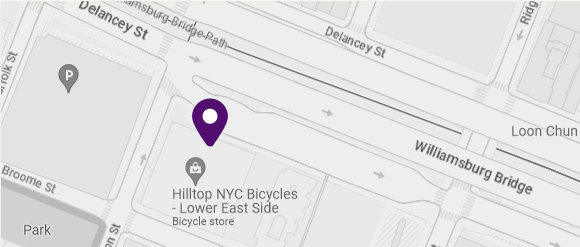
Manhatten Office
1171 Delancey Street, New York, NY 10002
Tell :
Book an Appointment →-
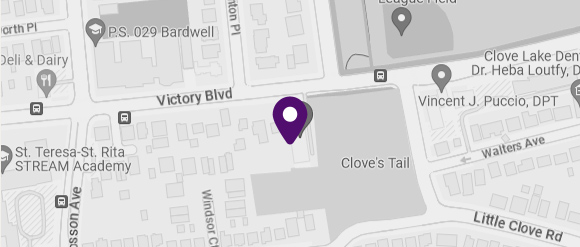
Staten Island Office
1534 Victory Boulevard, Staten Island, NY 10314
Tell :
Book an Appointment → -
Midtown East Office
645 Madison Avenue, 3rd Floor, New York, NY 10022
Tell :
Book an Appointment →